If you have more than one dog at home, you know how important it is to keep everyone safe and happy. Building a baby gate layout designed for multi-dog households can make a huge difference in preventing accidents and managing your pets’ space effectively.
But how do you create a setup that works for all your dogs, no matter their size or energy level? You’ll discover simple, practical steps to design a safe and functional baby gate layout that fits your home and keeps your furry friends secure.
Keep reading, because the right gate setup could change the way you manage your dogs—and bring you peace of mind every day.
Credit: www.unipawspro.com
Choosing The Right Baby Gate
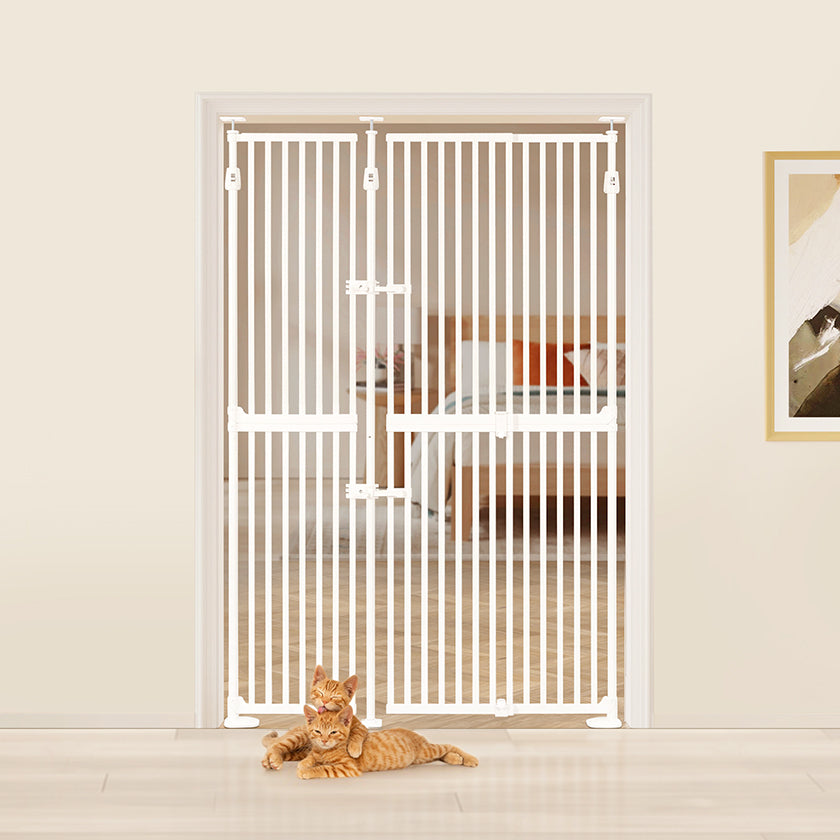
Choosing the right baby gate is important for homes with multiple dogs. The gate must be strong and safe. It should keep dogs apart without causing harm. Not all gates suit every dog or home. Picking the best one helps protect your pets and home.
Material Options
Baby gates come in different materials. Wood gates look nice but may not be very strong. Metal gates are very durable and hard to break. Plastic gates are light but may not hold big dogs. For multi dog homes, metal gates usually work best. They resist chewing and pushing.
Size And Height Considerations
The gate must fit the space well. Measure the doorway or area carefully. Choose a gate wide enough to cover the opening. Height matters too. Tall gates stop dogs from jumping over. Small dogs need lower gates to prevent injury. Pick a size that suits your dogs’ size and strength.
Safety Certifications
Look for gates with safety certifications. These show the gate meets safety rules. Certified gates have no sharp edges or toxic materials. They are tested for strength and stability. Using certified gates lowers the risk of accidents. Always check labels before buying a gate.

Credit: www.amazon.com
Assessing Your Space
Assessing your space is the first step in building a safe baby gate layout for homes with multiple dogs. This step helps ensure the gates fit well and keep all pets secure. Understanding the layout of your home and how your dogs move around is key. Proper planning avoids accidents and keeps your dogs comfortable.
Measuring Doorways And Openings
Measure all doorways and openings where you plan to install gates. Use a tape measure to get the exact width. Note any unusual shapes or sizes, such as arches or narrow hallways. Write down each measurement to compare with gate sizes. Accurate measurements prevent buying gates that do not fit.
Identifying High-traffic Areas
Find areas where people and dogs walk often. These spots need secure gates to control movement. Common places include entrances, kitchens, and stairs. Mark these areas on a floor plan or list. Placing gates here reduces the risk of accidents and keeps dogs safe.
Considering Dog Behavior And Size
Think about each dog’s behavior and size. Some dogs jump or push gates, while others stay calm. Large dogs need taller, stronger gates than small dogs. Consider if dogs are calm or active in certain areas. Choosing the right gate type helps keep all dogs safely contained.
Designing The Layout
Designing a safe baby gate layout is key for homes with many dogs. It helps keep dogs separated and calm. A good layout also makes daily life easier for everyone. Careful planning can prevent accidents and stress among pets. The right setup keeps your dogs safe and your home organized.
Creating Separate Zones
Divide your space into clear zones for each dog or group. This helps avoid fights and confusion. Each zone should fit the dog’s size and needs. Use gates to mark boundaries clearly. Separate zones give dogs their own safe space to relax.
Using Multiple Gates Effectively
Place gates where they control movement well. Use them to block doorways or hallways. Multiple gates can create layers of security. Make sure gates are sturdy and tall enough. This stops dogs from jumping over or pushing through.
Ensuring Easy Access For Humans
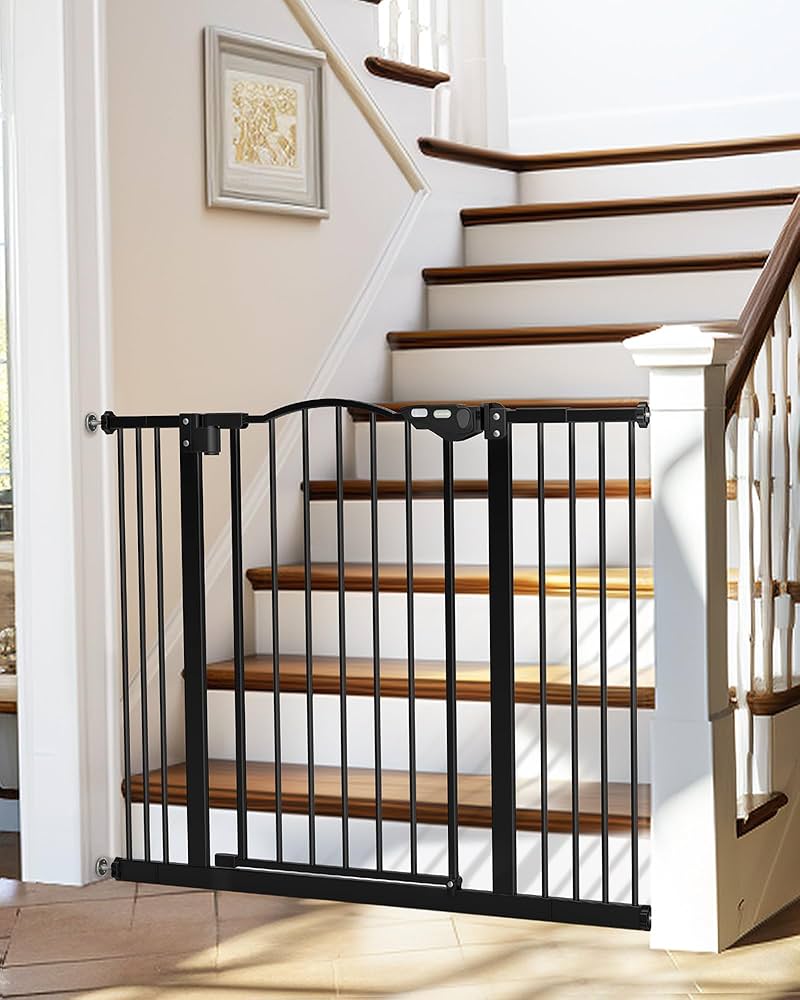
Design gates for quick and easy human access. Choose gates with handles that open smoothly. Avoid complicated locks or latches. This helps you move freely while managing your dogs. Easy access means faster response to any situation.
Credit: www.amazon.com
Installation Tips
Installing a baby gate in a multi-dog home needs care. The gate must be strong and safe. Proper installation keeps dogs secure and stops escapes. Follow these tips to set up a reliable gate layout.
Mounting Techniques
Choose a solid wall or frame for mounting the gate. Use screws and anchors made for your wall type. Avoid using pressure-mounted gates in busy areas. Secure the gate tightly to prevent movement. Check the gate’s height to keep dogs from jumping over.
Securing Gates Against Escapes
Test the gate’s lock and latch to ensure they hold well. Use locks that dogs cannot open or paw at. Check gaps under and around the gate for spaces. Seal gaps to prevent small dogs from slipping through. Use extra brackets if dogs push or lean on the gate.
Avoiding Common Mistakes
Do not install the gate on weak surfaces like drywall alone. Avoid using loose screws or nails that can fail. Do not ignore dog behavior when placing the gate. Avoid gates with wide bars that dogs can squeeze through. Regularly inspect the gate for wear or damage.
Maintaining Safety Over Time
Keeping baby gates safe in a home with many dogs takes steady effort. Safety is not just about installing the gate. It means watching the gate’s condition and adjusting it as dogs grow. This helps stop accidents and keeps pets secure.
Regular Gate Inspections
Check gates often for any signs of damage or wear. Look for loose screws, cracks, or broken parts. Make sure the gate closes and locks tightly every time. Fix small problems quickly to avoid bigger issues later. Regular checks keep gates strong and safe.
Adjusting For Growing Dogs
Dogs grow fast. A gate that fits a puppy might not work for a full-grown dog. Raise or widen gates to stop dogs from jumping over or squeezing through. Change gate height and width as needed. This helps keep all dogs safe, no matter their size.
Cleaning And Upkeep
Keep gates clean to stop dirt and germs. Wipe surfaces with mild soap and water. Avoid harsh chemicals that can harm pets. Clean gates prevent buildup that can weaken materials. Good upkeep makes gates last longer and stay safe.
Alternative Barrier Solutions
Alternative barrier solutions offer flexible ways to keep dogs safe and separated. These options suit homes with multiple dogs and different room layouts. They provide easy setup and moveability. Using these barriers, you can create a safe space for each pet without permanent changes. Explore portable gates, DIY gate options, and using furniture as barriers. Each method helps manage your multi-dog household effectively.
Portable Gates
Portable gates are lightweight and easy to move around the house. They work well in doorways and hallways. Many portable gates fold for storage or travel. Choose gates with secure locks to prevent dogs from pushing them open. These gates fit different sizes and shapes of openings. Portable gates provide a quick and simple way to control dog access.
Diy Gate Options
DIY gates let you customize barriers to fit your home perfectly. Use materials like wood, mesh, or baby gates to build a sturdy barrier. Measure the space carefully before starting your project. DIY gates can match your home decor and style. They offer a budget-friendly way to create safe zones. Build gates with smooth edges to avoid injury.
Using Furniture As Barriers
Furniture can act as natural barriers in some spaces. Place bookshelves, couches, or tables to block off areas. Secure furniture to walls to prevent tipping. This method saves money and uses what you already own. Rearranging furniture can change how dogs move through your home. This option works best in rooms with heavy or large pieces.
Addressing Behavioral Challenges
Creating a safe baby gate layout for homes with multiple dogs involves more than just physical barriers. Behavioral challenges often arise and need careful attention. Addressing these challenges helps keep all dogs calm and safe.
Understanding dog behavior around gates can prevent fights and stress. Proper management creates a peaceful environment for everyone.
Managing Aggression
Aggression at gates is common in multi-dog homes. Dogs may see gates as territory boundaries. Watch for growling, barking, or lunging near gates.
Use barriers that prevent direct eye contact between dogs. This reduces tension and aggressive behavior. Separate aggressive dogs during feeding and playtime. Provide plenty of exercise to lower stress levels.
Introducing New Dogs
New dogs need slow and careful introductions. Start with short, calm meetings on neutral ground. Use baby gates to separate dogs at first.
Allow dogs to see and smell each other through the gate. This helps them get used to new scents safely. Increase interaction time gradually while watching their behavior closely.
Training For Gate Respect
Training dogs to respect gates improves safety and control. Teach commands like “wait” and “stay” near gates. Reward calm behavior to encourage obedience.
Practice gate training daily in short sessions. Avoid letting dogs jump or push gates. Consistent training helps dogs understand boundaries clearly.
Frequently Asked Questions
How Do I Choose The Right Baby Gate For Multiple Dogs?
Select a sturdy, durable baby gate with adjustable width. Ensure it suits your dogs’ sizes and activity levels. Look for chew-resistant and secure locking mechanisms to prevent escapes.
Where Should I Install Baby Gates In A Multi-dog House?
Place gates at entry points of rooms you want to restrict. Common spots include kitchens, stairways, and bedrooms. Position gates at dog eye level for better control and visibility.
How Can I Ensure Baby Gates Are Safe For All Dogs?
Check for smooth edges and no sharp parts. Secure gates firmly to walls or door frames. Regularly inspect gates for damage and maintain locking mechanisms to avoid accidents.
Can Baby Gates Help Reduce Dog Conflicts At Home?
Yes, gates create physical boundaries to separate dogs when needed. This helps manage introductions, feeding times, and reduce stress. Use gates to create safe spaces for each dog.
Conclusion
Creating a safe baby gate layout helps keep all dogs secure and happy. Choose gates that fit well and block off risky areas. Check for gaps and sharp edges to avoid accidents. Arrange gates to give dogs clear, separate spaces.
Regularly inspect the setup for wear or damage. Safety makes life easier for you and your pets. A well-planned gate layout brings peace of mind every day. Keep your multi-dog home safe and comfortable with simple steps.