If you have a high energy working breed dog, you know how important it is to keep them active and engaged. Without the right plan, your dog can become restless, bored, or even destructive.
But how do you create a weekly training schedule that matches your dog’s energy and keeps them happy? This guide will show you exactly how to build a simple, effective training plan at home. By the end, you’ll have the tools to turn your dog’s energy into focus and strength—making every day more rewarding for both of you.
Keep reading to discover the easy steps that will transform your training routine.
Assessing Your Dog’s Energy Levels
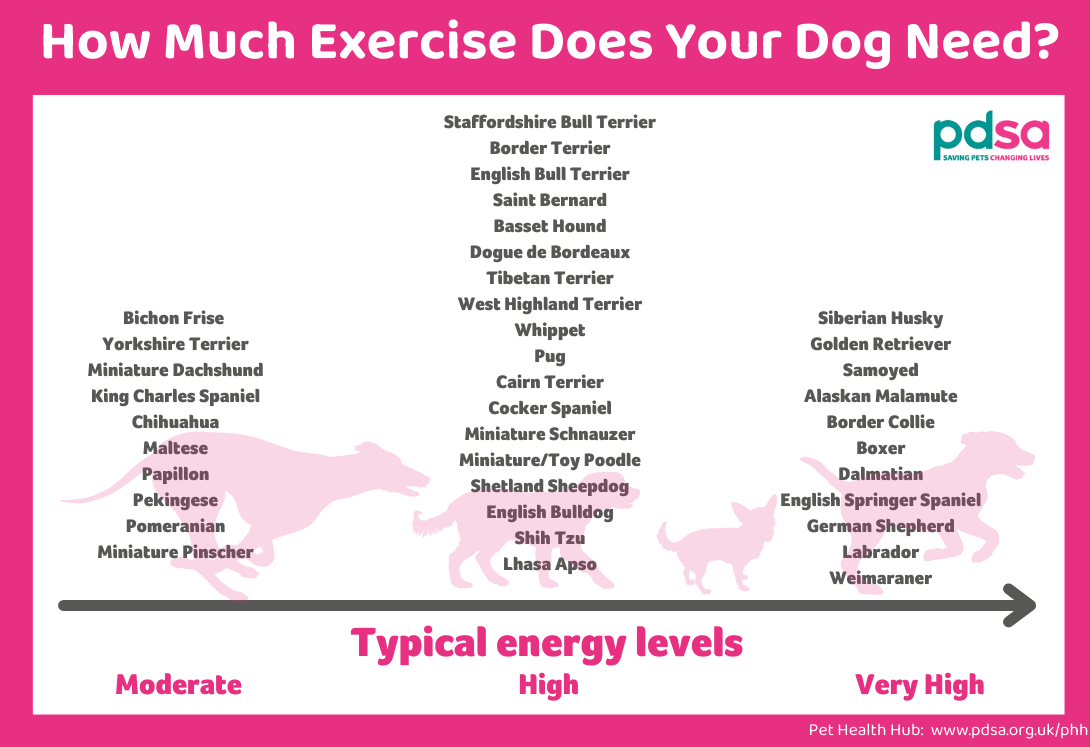
High energy dog breeds need lots of exercise and mental work. These dogs often show restlessness, constant movement, or chewingwhen bored. They may bark a lot or try to escape to burn off energy. Some breeds, like Border Collies or Australian Shepherds, have a strong need to run and play. Their breed traitsguide how much activity they need daily.
Signs of high energy include jumping, pacing, and difficulty settling down. These dogs want tasks or games to stay happy. Without enough activity, they might become destructiveor anxious. Knowing these signs helps to plan the right training and exercise.
Setting Realistic Training Goals
Creating a training plan means finding a good balance between physicaland mental exercises. Dogs need both to stay happy and healthy. Physical activities like walking or running help burn energy. Mental tasks such as puzzles or obedience training keep their minds sharp. This balance prevents boredom and bad behavior.
Training goals should fit your dog’s ageand health. Puppies need shorter sessions with gentle exercises. Older dogs might need slower, less intense activities. Watch your dog’s reactions. Adjust exercises to avoid stress or injury. Tailoring the plan helps your dog enjoy training and stay safe.
Choosing Effective Training Activities
Physical exerciseshelp build strengthand endurancein working breed dogs. Activities like running, hiking, and tug-of-war keep muscles strong and energy high. Short bursts of speed and long walks both matter. Use simple tools like balls or ropes for variety. Change the routine often to avoid boredom.
Mental challengeskeep the dog’s mind sharp. Teach new tricks or use puzzle toys. Hide treats for them to find. These tasks improve focus and reduce stress. Mental work is as important as physical exercise.
Playtime is funand important. Socialize your dog with other pets or people safely. Games like fetch or gentle wrestling build bonds and burn energy. Play helps dogs stay happy and calm.
Credit: www.pdsa.org.uk
Designing A Weekly Training Schedule
Plan each day with a mix of exerciseand trainingtasks. Short sessions work best to keep your dog engagedand happy. Include 30 to 60 minutesof physical activity like running or fetch. Add 15 to 20 minutesof obedience or trick training to stimulate their mind.
Rest days are just as important. Use these days for light walksor gentle play. This helps your dog recoverand avoid burnout. Pay attention to signs of tiredness or stress.
Busy days require flexibility. Shorter or fewer sessions still help. Try quick training games or a fast walk. Consistency matters more than length of time.
Creating A Safe Training Environment
Choosing the right space for training is very important. Indoor spacesprotect dogs from bad weather. They also limit distractions. But indoor areas must be free of sharp objectsand slippery floors to avoid injuries. Outdoor spaces offer more roomfor running and jumping. They help burn energy faster. Always check the outdoor area for hazards like holes, sharp sticks, or toxic plants. A fenced yard is best to keep dogs safe.
During high-energy activities, always watch your dog closely. Stop training if your dog shows signs of tiredness or stress. Provide fresh waterand rest breaks often. Use soft surfaces like grass or mats to protect paws and joints. Avoid training in extreme heat or cold. Safety comes first to make training fun and healthy.
Credit: www.britannica.com
Tracking Progress And Adjusting Plans
Track your dog’s energy levelsand behavior changesdaily. Notice if your dog seems more restlessor calmafter activities. Keep a simple journal to note these shifts.
Adjust the plan by adding or reducing exercise based on your notes. If your dog is too tired, give shorter sessions. If energy is still high, increase activity time or try new games.
Watch for signs of stressor disinterest. These mean the plan needs changing. Balance is key: enough exercise to tire, but not overwhelm.
Tools And Resources For Home Training
Leashes, harnesses, and collarsdesigned for active dogs help control and protect your pet. Durable toys like balls and tug ropes keep dogs engaged and release extra energy. A clicker or treat pouch supports positive training sessions at home. A safe, fenced space allows for off-leash play and exercise.
Apps such as Dog Trainerand Pupfordoffer easy training tips and tracking. Online communities like Reddit’s r/dogsand Facebook groups connect you with other dog owners. Sharing advice and success stories keeps motivation high and learning ongoing.
| Equipment | Purpose |
|---|---|
| Durable Leash & Harness | Control and safety during walks |
| Interactive Toys | Stimulate and tire out dogs |
| Clicker & Treat Pouch | Reinforce good behavior quickly |
| Safe Play Area | Off-leash exercise space |
Credit: www.rover.com
Frequently Asked Questions
How Often Should I Exercise A High Energy Working Dog?
High energy working dogs need daily exercise, ideally 60 to 90 minutes. Split workouts into multiple sessions to keep them engaged and prevent boredom. Consistent physical activity helps maintain their health and reduces behavioral problems.
What Activities Suit Working Breed Dogs At Home?
Ideal activities include fetch, obedience training, agility drills, and scent games. These exercises stimulate both their body and mind. Rotate activities to keep your dog motivated and challenged.
How To Balance Training And Rest For Working Dogs?
Alternate intense training days with lighter activities or rest days. Proper rest prevents injuries and burnout. Monitor your dog’s behavior to adjust the schedule as needed for optimal health.
Can I Train A Working Breed Dog Without Professional Help?
Yes, with consistency and proper planning, home training is effective. Use positive reinforcement and clear commands. Supplement training with online resources or books tailored to working breeds.
Conclusion
Building a weekly training plan helps your working breed stay strong and happy. Consistency keeps your dog focused and healthy. Mix physical exercise with mental challenges for best results. Short, regular sessions work better than long, rare ones. Watch your dog’s energy and adjust the plan as needed.
Training at home saves time and builds your bond. Keep it fun and clear to avoid frustration. A good routine makes life easier for both you and your dog. Start small, stay patient, and enjoy the progress each week.