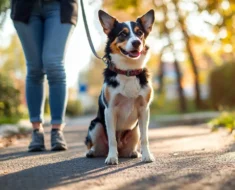
Teaching your dog to understand left and right directional cues during fetch can transform playtime into an exciting brain workout for your furry friend. Imagine the pride you’ll feel when your dog confidently darts left or right on command, impressing everyone around.
If you’ve struggled with basic fetch or want to take your dog’s skills to the next level, this guide is for you. Keep reading, and you’ll discover simple, effective steps that make training fun and rewarding—for both you and your dog.

Credit: www.teachyourgundog.co.uk
Preparing Your Dog For Directional Training
Choose a quiet place with few distractions. A backyard or quiet park works well. This helps your dog focus on learning.
Gather a few toys your dog likes for fetch. A ball or frisbee is good. Have treats ready for rewards.
Make sure your dog knows basic commands like “sit,” “stay,” and “come.” These help with control during training.
Introducing Left And Right Cues
Dogs learn best with clear hand signals. Use your left hand to point left, right hand to point right. Make your signals big and slowso the dog can see them easily.
Say the words “left” or “right”together with the hand signals. This helps your dog connect the words and gestures.
Start by throwing the toy just a few feet away. This lets your dog understand the directionwithout getting confused. Praise your dog every time it follows your cue correctly.
Step-by-step Fetch Training
Start with teaching the left directionfirst. Stand with your dog and say “left” clearly. Then, gently point to the left side. Throw a toy a short distance to the left. Praise your dog when it goes left. Repeat this step many times until your dog understands.
Next, teach the right direction. Use the same method but say “right” and point right. Throw the toy a little to the right side. Give lots of praise when your dog follows the right cue. Practice until your dog reacts quickly.
To combine both directions, mix left and right commands during fetch. Call out “left” or “right” randomly. Point and throw the toy to that side. Reward your dog every time it listens. This helps your dog learn both sides well.

Credit: www.sprenger.de
Reinforcing And Rewarding Correct Responses
Timingis key to teaching dogs left and right cues. Give treats or praiseimmediatelyafter the dog follows a command. This helps your dog link the action with the reward. Use a calm, happy voice to say “Good job!” right after the right move.
Start with small rewards like tiny treats. Gradually, use praise more and treats less. This keeps your dog interested without expecting food every time. Avoid long delays; the dog might get confused.
Be consistent. Every time your dog gets the direction right, reward right away. This strengthens the learningand makes fetch more fun for both of you.
Troubleshooting Common Challenges
Confusionoften happens when dogs mix up left and right cues. Use clear, consistent words like “left” and “right.” Repeat commands slowly. Show the direction with your hand. Practice short sessions to avoid overwhelming your dog. Praise your dog for correct responses to boost confidence.
Focuscan be tricky. Keep training spots quiet and free from distractions. Use treats and toys to keep your dog’s attention. Short, frequent sessions work best. End sessions on a positive note to keep your dog eager to learn.
| Breed Type | Training Tip |
|---|---|
| Small Breeds | Use softer voices and smaller hand signals. |
| Large Breeds | Use clear, firm commands and bigger gestures. |
| Working Breeds | Increase challenge with faster cues and longer sessions. |
| Companion Breeds | Keep sessions fun and reward often to hold interest. |
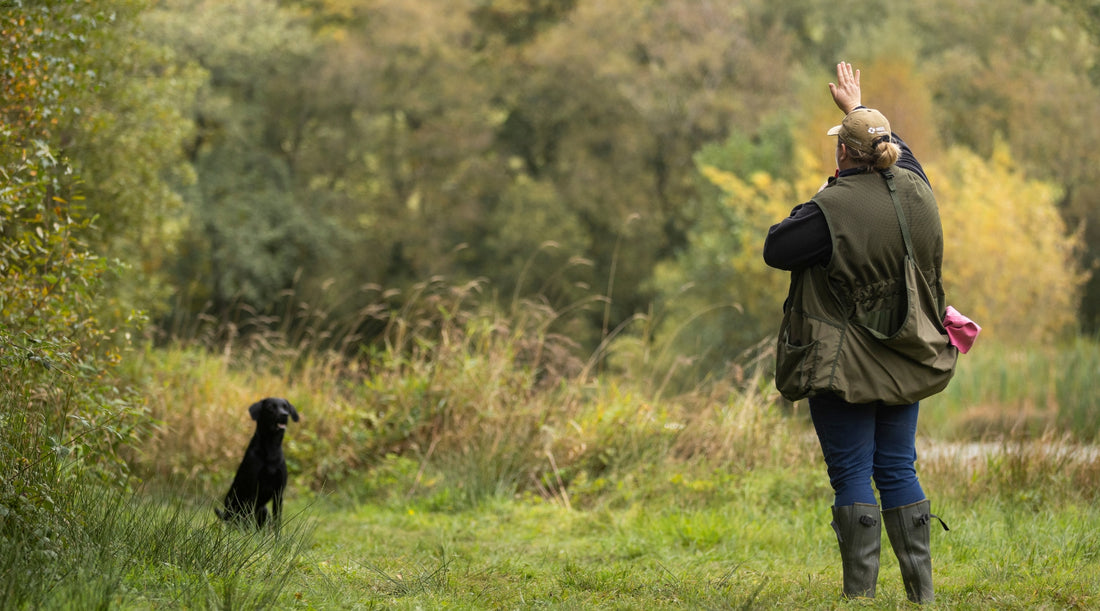
Credit: www.teachyourgundog.co.uk
Advanced Tips For Directional Fetch
Start by increasing the distance slowly during fetch training. Use clear leftand rightcommands. This helps your dog understand directions better over longer spaces.
Use several objects to make the game more challenging. Place toys or balls at different spots. Ask your dog to fetch specific items by naming their location. This improves focusand directional skills.
Practice in places with distractions like parks or busy yards. This teaches your dog to listen despite noises or movements. Keep sessions short and fun. Reward with treats or praise to keep motivation high.
Frequently Asked Questions
How Can I Teach My Dog Left And Right Cues?
Start with clear verbal commands like “left” and “right. ” Use hand signals and reward your dog for correct responses during fetch.
What Are Effective Tools For Directional Training In Fetch?
Use treats, toys, and consistent verbal cues. Hand signals paired with positive reinforcement work best.
How Long Does It Take To Teach Directions To Dogs?
Training time varies but usually takes a few weeks with daily practice and patience.
Can All Dog Breeds Learn Left And Right Directions?
Yes, all breeds can learn with consistent training and positive reinforcement, regardless of age.
Conclusion
Teaching your dog left and right cues improves fetch play. Start slow and use clear words. Practice often in short sessions. Reward your dog with praise or treats. Be patient; learning takes time. Your dog will enjoy fetch more. This skill also helps with other commands.
Keep training fun and consistent. You and your dog will build a stronger bond. Simple steps lead to great results. Try these tips today and see progress soon.