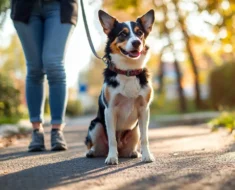
Changing time zones can be tricky—not just for you, but for your dog too. If you’re traveling or moving, you might wonder how to keep your dog’s feeding schedule on track without causing stress or discomfort.
Getting this right is important because sudden changes can upset their digestion and mood. You’ll discover simple, effective ways to adjust your dog’s feeding times smoothly. By following these tips, you’ll help your furry friend feel comfortable and happy no matter where you are.
Keep reading to learn how to make this transition easy for both you and your dog.
Impact Of Time Zone Changes On Dogs
Changing time zones can confuse a dog’s eating schedule. Their body clocks rely on routine. Sudden shifts may cause missed meals or overeating. Dogs might eat less or refuse food at new times.
Watch for behavioral changes. Dogs could seem restless, anxious, or less active. Some may bark more or hide. These signs show they are adjusting to new time.
Feeding should be gradually shiftedover a few days. Change meal times by 15-30 minutes daily. This helps dogs adapt without stress.

Credit: petlibro.com
Signs Your Dog Needs Feeding Schedule Adjustment
Changes in appetiteare a clear sign your dog needs a new feeding schedule. They may eat less or more than usual. Watch for refusal of food or begging for extra meals.
Digestive issueslike vomiting, diarrhea, or constipation can show feeding times are off. The stomach needs time to adjust to new meal hours. These problems suggest a need for gradual changes.
Energy level fluctuationsmatter too. Dogs may feel tired or restless at odd times. Feeding times affect energy peaks. Adjusting meals helps keep energy steady and mood balanced.
Planning Feeding Times For New Time Zones
Start by changing your dog’s feeding time by 15 to 30 minutes each day. This slow change helps their body adjust without stress. Watch your dog’s hunger signals to guide the timing.
Use the natural light outside as a clue. Feed your dog during daylight hours to keep their body clock steady. This method helps dogs feel more comfortable in the new time zone.
Keep meal times consistent within a set window, like morning and evening. Dogs feel safe with regular routines. Avoid sudden changes in feeding times to reduce confusion.
Tips For Transitioning Feeding Times Smoothly
Adjust meal portionsgradually over several days to match the new time zone. Smaller, frequent meals help your dog adapt better. Avoid sudden big changes in food amount.
Monitor hydrationclosely. Offer fresh water often to keep your dog well hydrated. Changes in time and climate can affect their thirst. Watch for signs of dehydration like dry gums or lethargy.
Maintain routine activitieslike walks and playtime at consistent new local times. This helps your dog adjust their body clock. Keeping exercise and rest steady supports their digestion and overall comfort.
Handling Long-haul Flights And Layovers
Feed your dog 3-4 hours before the flightto avoid travel sickness. Give a small meal, not a full one. Keep water available but limit it just before takeoff to prevent accidents.
During the flight, offer water regularly. Avoid feeding solid food on the plane as digestion slows down. For long layovers, try to feed your dog in line with the new time zone.
Once you arrive, gradually shift feeding timesby 1-2 hours daily. Stick to small meals at first to help your dog adjust. Watch for signs of hunger or discomfort and adjust accordingly.
Special Considerations For Puppies And Senior Dogs
Puppiesneed to eat more often than adult dogs. Their small stomachs can’t hold much food, so feed them 3 to 4 times a day. Senior dogsmay eat less but need balanced meals to stay healthy. Their feeding times should be gentle and consistent to avoid stomach issues.
Watch your dog’s behavior and health closely during time zone changes. Changes in appetite, energy, or bathroom habits could mean stress or illness. Keep notes on feeding times and any changes in your pet’s routine for better monitoring.
Talk with your veterinarianbefore adjusting feeding times. They can give advice based on your dog’s age, breed, and health. Vets may suggest special diets or feeding schedules to help your dog adjust smoothly.
Tools And Apps To Track Feeding Schedules
Feeding reminder appshelp you set alerts for your dog’s meal times. They keep track of feeding times easily. Apps like PetDesk and Pawtrack send notifications to your phone. This way, you never miss a feeding. Some apps also log your dog’s eating habits. This helps you see any changes or issues.
Travel planning toolshelp adjust meal times during trips. Tools like Google Calendar or TripIt let you plan meals around new time zones. You can set reminders that match local times. This keeps your dog’s feeding routine steady, even when traveling.
Health tracking devicesmonitor your dog’s activity and health. Devices like Whistle or FitBark track eating times and energy levels. They give insights into your dog’s well-being. These tools help you adjust feeding to your dog’s needs during time changes.

Credit: petlibro.com

Credit: petlibro.com
Frequently Asked Questions
How Soon Should I Change Dog Feeding Times After Time Zone Shifts?
Adjust feeding gradually within 3-5 days. Shift meal times by 15-30 minutes daily. This helps your dog adapt without digestive issues or stress.
Can Abrupt Feeding Time Changes Harm My Dog?
Yes, sudden changes can cause stomach upset and anxiety. Gradual adjustments prevent discomfort and maintain your dog’s routine.
What’s The Best Feeding Schedule During Long Flights?
Feed your dog 3-4 hours before the flight. Avoid feeding during the flight to prevent nausea and discomfort.
How To Handle Feeding If Layovers Disrupt Routine?
Stick to your dog’s adjusted schedule based on the new time zone. Bring familiar food and bowls to ease transitions.
Conclusion
Adjusting your dog’s feeding times takes patience and care. Start by shifting meals gradually to match the new time zone. Watch your dog’s behavior and energy levels closely. Consistency helps your dog feel safe and comfortable. Small changes each day make the transition easier.
Remember, every dog adapts at their own pace. Keep meals regular and avoid sudden feeding time jumps. Your dog will soon settle into the new schedule smoothly. This simple approach supports your pet’s health during travel. A happy, well-fed dog makes every trip better.