If you have a scent hound, you know how much energy and curiosity they have. But what if you live in a small space and worry there’s not enough room for them to explore and stay happy?
Don’t worry—you can create a weekly enrichment schedule that keeps your dog mentally sharp and satisfied without needing a big yard. This guide will show you simple, effective ways to stimulate your scent hound’s amazing nose and mind every day.
Keep reading to discover how to turn your small space into a fun, engaging playground your dog will love.

Credit: www.amazon.com
Benefits Of Enrichment For Scent Hounds
Scent houndshave strong mental stimulation needs. Their noses work hard, so puzzles and scent games keep them sharp. These activities stop boredom and help them stay calm indoors.
Physical exerciseis important, even in small spaces. Short walks, indoor fetch, or tug-of-war keep them active. Exercise helps them burn energy and stay healthy.
Behavioral improvementscome from regular enrichment. Dogs with enough mental and physical activity show less chewing, barking, and digging. A well-stimulated scent hound is happier and easier to train.
Challenges Of Small Spaces
Small spaces can make it hard for scent hounds to move freely. Limited movement areasmean these dogs might feel cramped or bored. It is important to create spots where they can safely explore scents without needing much room.
Noise and distraction factorscan upset scent hounds. Loud sounds or many people nearby may distract them from focusing on smells. A quiet, calm area helps these dogs enjoy their activities better.
Safety considerationsare key in small spaces. Sharp objects, toxic plants, or loose wires must be kept away. Watch for spots where dogs could get stuck or hurt. Keeping the area safe helps your dog enjoy enrichment without risk.
Choosing Scent-based Activities
Nose work gameshelp scent hounds use their strong sense of smell. Hide treats or toys in small spots. Let your dog find them by sniffing. This keeps their mind active and happy.
Scent trails indoorsare easy to set up. Use a small piece of food or scent and drag it along the floor. Make a short trail with turns and stops. Let your dog follow the trail to find the reward. It trains their nose and focus.
Puzzle toys with hidden treatsare great for small spaces. These toys hide food inside. Dogs need to think and move parts to get the treat. It keeps them busy and sharp.
Structuring A Weekly Schedule
Creating a weekly schedule for scent hounds needs balancebetween different activity types. Include nose work, light exercise, and mental games. These keep your dog happyand healthy.
Keep each session short, about 10 to 20 minutes. Do scent games 3 to 4 times a week. Add walks or play on other days. This helps avoid overworkingyour dog.
Rest periods are very important. Dogs need time to relaxand recover. Plan at least one full rest day weekly. On other days, give breaks between activities.
| Activity Type | Duration | Frequency per Week |
|---|---|---|
| Scent Work | 10-20 minutes | 3-4 times |
| Light Exercise | 15-30 minutes | 2-3 times |
| Rest | Full day or breaks | 1 day + breaks daily |
Adapting Activities To Space
Use vertical spaceto create scent trails and puzzles. Hang scent bags or toys on walls or doors. This adds new levels for your dog to explore. It saves floor space and keeps your hound busy.
Portable and foldable equipmentfits small areas well. Collapsible tunnels, foldable mats, and small agility items can be stored easily. Bring them out only during playtime. This keeps your space neat and gives your dog variety.
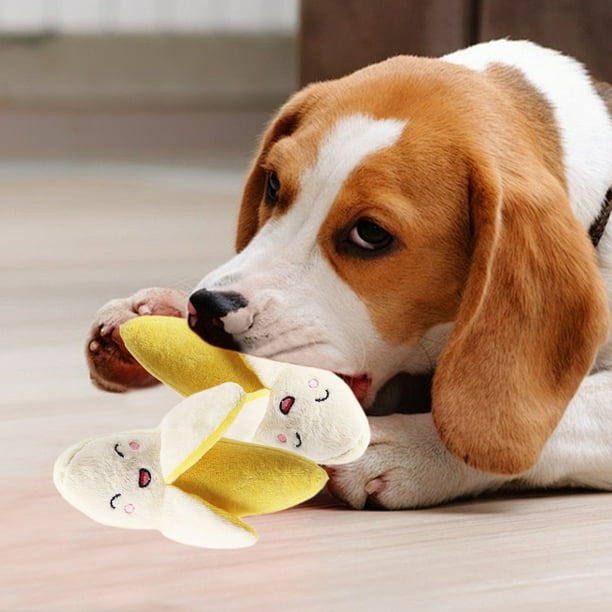
Try using household items creatively. Empty boxes, plastic containers, and old towels can hide scents or treats. Stack boxes to build small mazes. Use towel folds as scent holders. This makes fun activities without extra cost.
Credit: business.walmart.com
Monitoring And Adjusting Your Plan
Track your scent hound’s engagement levelsduring activities. Watch for signs of fatiguelike heavy panting or slowing down. These signals show when your dog needs a breakor less intense play.
Notice if your dog seems bored. Signs include ignoring toys or sniffing less. Boredom means it’s time to changethe routine or introduce new scents. Keep activities freshto hold your dog’s interest.
Adjust activities to fit your dog’s progress. If your hound learns quickly, make tasks a bit harder. If tired or bored, switch to simpler games. Always balance challengewith funto keep your dog happy and active.
Supplemental Enrichment Ideas
Interactive training sessionshelp keep scent hounds’ minds sharp. Use short, fun commands like “sit” or “stay.” Reward with treats or praise to keep them interested. These sessions should last about 5 to 10 minutes.
Socialization opportunitiesare important even in small spaces. Let your dog meet other friendly dogs or people safely. This builds confidence and reduces boredom. Try brief visits to neighbors or walks in quiet areas.
Calming techniqueshelp scent hounds relax after play or training. Use gentle petting, soft music, or a cozy blanket. These can reduce stress and keep your dog happy. A calm dog is easier to train and live with.

Credit: mywoof.com
Frequently Asked Questions
How Can I Enrich My Scent Hound In A Small Space?
Use scent games, puzzle toys, and short training sessions. Rotate activities to keep your scent hound engaged. Focus on mental stimulation to compensate for limited physical space.
What Are The Best Scent Activities For Small Areas?
Try nose work games, hide treats around the room, and use scent trails. These activities challenge your hound’s nose without needing much space. They improve focus and provide mental exercise.
How Often Should I Schedule Enrichment For Scent Hounds?
Aim for daily short sessions of 10-15 minutes. Consistency helps maintain your dog’s interest and mental sharpness. Weekly variety with different games keeps enrichment exciting.
Can Scent Hounds Stay Active Indoors Only?
Yes, with proper enrichment and mental stimulation, scent hounds can stay active indoors. Use scent puzzles and interactive toys to meet their exercise needs without outdoor space.
Conclusion
Creating a weekly enrichment schedule helps scent hounds stay happy and healthy. Small spaces don’t limit their need for mental and physical activity. Use simple scent games and short walks to engage their noses daily. Change activities often to keep your dog interested and motivated.
Consistency matters, so stick to your plan each week. Watch your dog enjoy new challenges and feel more relaxed. A well-planned schedule makes small living spaces work well for scent hounds. Keep it fun, easy, and part of your routine.