Introducing two adult dogs can feel tricky and even a little nerve-wracking. You want your pets to get along, but you also want to avoid any stress or fights.
The good news is that meeting on neutral ground can make all the difference. When you know the right steps to take, you can help your dogs feel calm and comfortable from the start. You’ll discover simple, effective ways to introduce your dogs safely.
Keep reading to learn how to turn this important moment into a positive experience for everyone involved.
Choose The Right Location
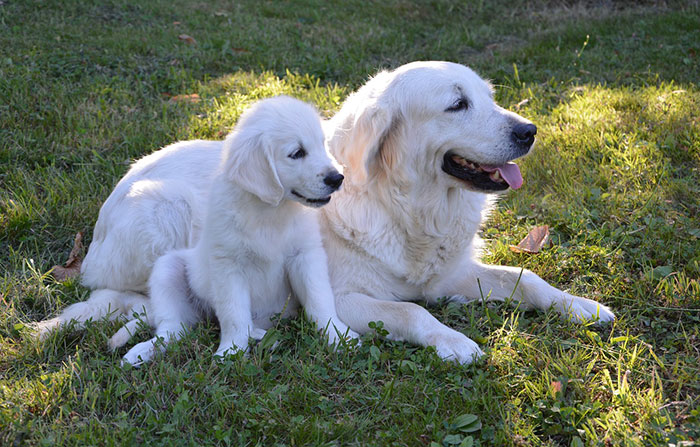
Neutral groundhelps both dogs feel less territorial. It lowers the chance of fights or stress. A place neither dog visits daily is best. Parks, empty parking lots, or quiet streets work well.
The spot should have enough spaceto move freely. Avoid places with many distractions or loud noises. Choose a location that is safe, calm, and easy to leave if needed.
| Ideal Spot Features | Reason |
|---|---|
| Neutral territory | Neither dog feels protective or scared |
| Open space | Dogs can move and explore safely |
| Quiet environment | Less distraction, easier to focus |
| Easy exit | Quick escape if dogs get uneasy |
Credit: www.boredpanda.com
Prepare Both Dogs
Both dogs should have a chance to use up their energybefore meeting. Walk them separately or play with each one to help them feel calm. A calm dog is less likely to act aggressively.
Keep both dogs on leashes and harnessesduring the introduction. This gives you control and keeps them safe. Use a leash that is not too tight to avoid stress.
Make sure the harness fits well and is comfortable. Avoid using just a collar, as it may cause choking if the dog pulls. A harness helps guide the dog gently.
First Meeting Steps
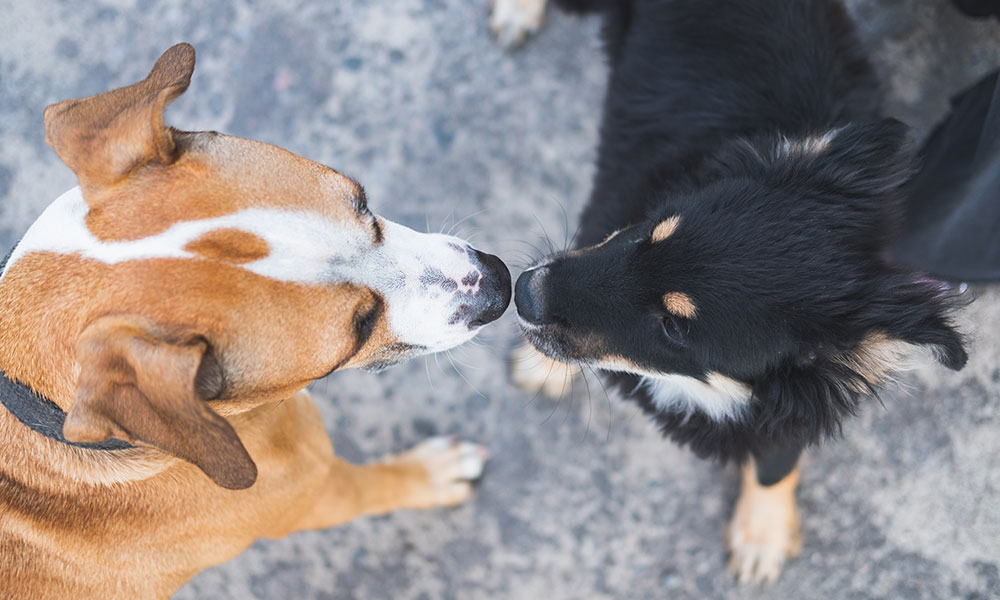
Start by walking both dogs side by side but at a safe distance. This helps them get used to each other’s smell and presence without feeling threatened. Keep leashes loose to avoid tension. Watch their body languageclosely. Look for signs like wagging tails or relaxed ears. These show they feel calm.
Be alert for stiff bodies, growling, or raised hackles. These signs mean stress or aggression. Stop the walk if you see these behaviors. Give dogs space and time to calm down. Repeat short parallel walks over several days to build comfort.
| Good Signs | Bad Signs |
|---|---|
| Relaxed body | Stiff posture |
| Loose wagging tail | Raised hackles |
| Soft eyes | Hard staring |
| Calm sniffing | Growling or barking |
Positive Reinforcement
Reward calm behaviorto help dogs feel safe and relaxed. Give treats or praise when both dogs stay quiet and calm. This shows them good things happen when they behave well. Small rewards work best and should come often.
Avoid punishment. Scolding or yelling may scare dogs or make them angry. Punishment can cause more problems, like fear or aggression. Instead, focus on positive actions that build trust and friendship.
Gradual Interaction Increase
Start with short off-leash sessionsin a quiet, neutral place. Let the dogs explore calmly without pressure. Keep them close, but give enough space to avoid stress. Watch their body language for signs of comfort or tension.
Supervise playtime closely. Keep sessions brief to prevent over-excitement or fights. Use calm voices and gentle touches to encourage positive behavior. Interrupt any rough play quickly and calmly. Reward good manners with treats or praise.
Gradually increase the length of these sessions as the dogs get comfortable. Patience is key. Trust grows slowly. This careful approach helps create a safe, friendly bond between the dogs.
Credit: dogsplayingforlife.com
Handling Aggression
Warning signsshow when dogs feel stressed or scared. Watch for growling, stiff body, raised hackles, and direct staring. These signs mean dogs might get aggressive.
Step in calmlyif dogs start to fight. Use a loud noiselike clapping or a firm voice to distract them. Avoid pulling dogs apart with your hands to prevent injury.
Keep a leashon both dogs during introductions. Stay calmand speak softly. This helps dogs feel safe and less scared.
Long-term Integration
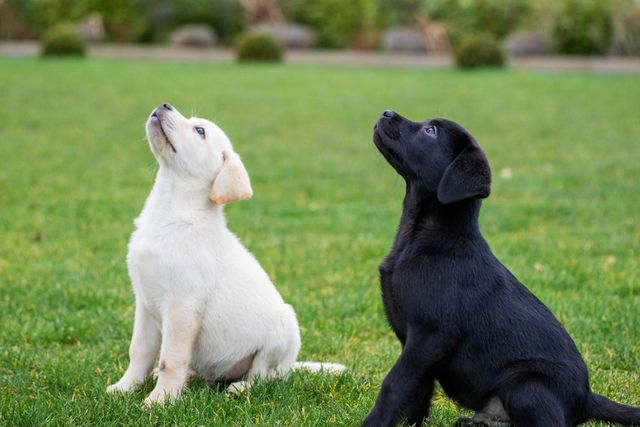
Separate resourceshelp avoid fights. Give each dog its own bed, bowls, and toys. This stops competition and keeps peace.
A consistent routinebuilds trust and calm. Feed dogs at the same time every day. Walk them separately at first, then together slowly.
Keep rules clear and simple. Dogs feel safe with steady habits. Patience is key. Small steps lead to good friendships.
Credit: www.alwaysfaithfuldogs.com
Frequently Asked Questions
How Do I Prepare For Introducing Two Adult Dogs?
Choose a neutral location without territorial scents. Bring leashes and treats. Keep both dogs calm and controlled before introduction.
Why Is Neutral Ground Important For Dog Introductions?
Neutral ground prevents territorial behavior and reduces stress. It helps dogs focus on each other, promoting a positive first meeting.
How Should I Control The Dogs During Their First Meeting?
Use leashes and maintain a loose hold. Stay calm, watch their body language, and intervene if either dog shows aggression.
What Signs Show Dogs Are Getting Along Well?
Look for relaxed body posture, wagging tails, and playful behavior. Mutual sniffing without growling indicates a positive interaction.
Conclusion
Introducing two adult dogs on neutral ground takes patience and care. Keep the meeting calm and controlled. Let dogs sniff and observe each other calmly. Watch their body language closely for signs of stress or friendliness. Use gentle praise and treats to encourage good behavior.
Take breaks if tension rises. Remember, every dog is different and needs time to adjust. A safe introduction helps build trust and friendship. Keep trying with kindness and calmness. Soon, both dogs can enjoy peaceful, happy companionship.