Are you struggling to feed your dog the right amount of kibble every day? Measuring portions by eye can easily lead to overfeeding or underfeeding, which affects your dog’s health and energy.
But there’s a simple, precise way to get it right every time—using a kitchen scale. You’ll discover how to measure dog kibble portions accurately, making sure your furry friend gets just what they need. Keep reading to learn easy tips that save you money, support your dog’s well-being, and take the guesswork out of mealtime.
Choosing The Right Kitchen Scale
Digital scalesoffer precise and easy-to-read measurements. They usually have a clear LCD displayand can measure in grams or ounces. Digital scales often come with a tare function, which lets you subtract the bowl’s weight. This makes measuring dog kibble accurate and simple.
Mechanical scalesdo not need batteries and are often more durable. They use a dial to show weight but may be less precise than digital ones. Mechanical scales are good for basic use but might be harder to read.
| Feature | Digital Scale | Mechanical Scale |
|---|---|---|
| Accuracy | High | Moderate |
| Readability | Clear LCD display | Dial with pointer |
| Power Source | Batteries or USB | No power needed |
| Tare Function | Yes | No |
| Durability | Less durable | More durable |
Choose a scale that fits your needs and budget. Check if it is easy to clean and store. A kitchen scale with a flat surfaceworks best for dog kibble bowls. Accuracy matters most for feeding your pet the right amount.

Credit: www.scotsman.com
Preparing Your Scale For Measurement
Start by placing your kitchen scale on a flat, stable surface. This helps get the most accurate reading. Turn on the scale and wait for it to show zero.
Use the tare functionto subtract the weight of any container. Place the empty bowl or container on the scale first. Press the tare button to reset the scale to zero. Now, only the weight of the kibble will show when added.
Calibrate the scale if needed. Follow the instructions in your scale’s manual. Calibration ensures the scale measures correctly.
Measuring Dog Kibble Portions
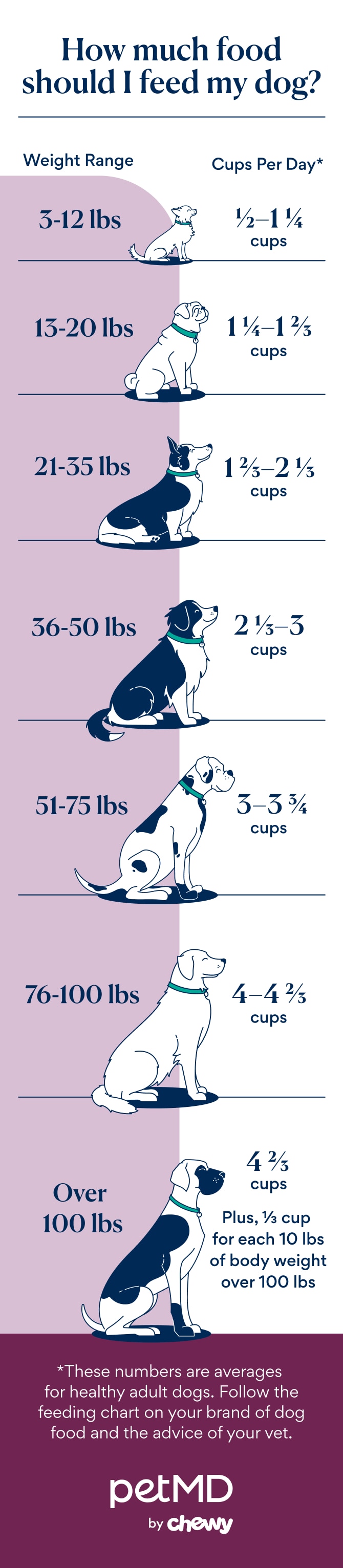
Start by checking your dog’s daily food requirementon the pet food package. This shows how much kibble your dog needs each day. Use a kitchen scaleto weigh the kibble for accuracy. Place the empty bowl on the scale and press the tare button to reset it to zero.
Weigh each meal portion carefully. This helps avoid overfeeding or underfeeding. Divide the daily amount into the number of meals your dog eats per day. For example, if the daily need is 200 grams and your dog eats twice, weigh 100 grams for each meal.
Remember to adjust portionsif you give treats or extras. Treats add calories, so reduce kibble slightly to keep the diet balanced. Always weigh treats too, if possible.

Credit: www.dreamstime.com
Tips For Consistent Portion Control
Weigh dog kibble at the same time every day. This helps keep portion sizes consistent. Feeding at regular times also supports your dog’s digestion and routine.
Keep the kitchen scale clean and dry. Wipe it after each use to avoid crumbsand residue. A clean scale gives accuratemeasurements every time.
Common Mistakes To Avoid
Moisture contentin dog kibble affects weight. Wet kibble weighs more than dry. Measuring without considering moisture leads to wrong portion sizes. Always check if kibble is dry or moist before weighing.
Scale accuracyis key for correct portions. Cheap scales may show wrong weights. Use a scale with at least 1 gram precision. Calibrate your scale often to keep it accurate. A wrong reading can cause overfeeding or underfeeding.
Benefits Of Accurate Kibble Measurement
Accurate kibble measurementhelps keep dogs at a healthy weight. It prevents giving too much food, which can cause weight gainand health problems. Using a kitchen scale ensures the right amount of food every time.
Measuring kibble properly also helps prevent overfeeding. Overfeeding can lead to obesity, joint pain, and low energy. A scale gives exact portions, stopping extra treats or snacks from adding up.
Small changes in food amount can make a big difference. A scale helps avoid guesswork and keeps feeding consistent. This supports long-term healthand happiness for your dog.
Credit: www.petmd.com
Frequently Asked Questions
How Do I Weigh Dog Kibble With A Kitchen Scale?
Place an empty bowl on the kitchen scale and tare it to zero. Add the dog kibble until you reach the desired portion weight. This method ensures precise measurement and helps control your dog’s diet effectively.
Why Is Measuring Dog Kibble Portions Important?
Measuring dog kibble portions prevents overfeeding and obesity. It ensures your dog gets the right nutrients and maintains a healthy weight. Accurate portions also help monitor your dog’s eating habits and overall health.
Can I Use Any Kitchen Scale For Dog Kibble?
Yes, any kitchen scale with gram or ounce measurements works well. Choose a scale with a tare function for easy measurement. Digital scales provide the most accurate and consistent results for dog kibble portions.
How Often Should I Measure My Dog’s Kibble Portions?
Measure kibble portions at every feeding to maintain consistency. Regular measurement helps manage your dog’s weight and prevents overeating. Adjust portions based on your vet’s recommendations or changes in your dog’s activity level.
Conclusion
Measuring dog kibble with a kitchen scale helps feed your pet just right. It avoids overfeeding and keeps your dog healthy. Using a scale is easy and saves time. You get exact portions every time you feed your dog. This simple tool makes feeding less stressful.
Try it today for better control over your dog’s diet. Your furry friend will thank you with good health and energy. Small changes lead to big benefits in pet care.