You want your dog to stay put when you leave the room, right? Teaching a solid stay isn’t just about good manners—it’s about keeping your furry friend safe and calm.
But if your dog struggles to stay in place, you’re not alone. The good news is, with the right steps, you can help your dog learn to stay steady every time you walk away. Keep reading, and you’ll discover simple, proven techniques that make your dog’s stay reliable and stress-free—for both of you.
Choosing The Right Environment
Choose a quiet room with few toys or people around. This helps your dog focus on the stay command. Turn off the TV and close windows to reduce outside noises. A calm place makes training easier and less stressful.
Make the space soft and cozy. Use a dog bed or blanket where your pet feels safe. Comfort helps your dog remain calm and relaxed during training. A happy dog learns faster.

Credit: www.youtube.com
Building A Strong Stay Foundation
Use clear and simple commandslike “stay” or “wait.” Say the command once and keep your tone calm. Avoid repeating commands too often, so your dog learns to listen the first time.
Positive reinforcementis key. Give treats or praise when your dog stays still. This helps them understand that staying is good. Start with short times and close distance. Gradually increase how long and far you move away.
Practice in a quiet place at first. Less distraction helps your dog focus. Be patient and consistent. Small steps lead to strong results.
Gradual Distance Training
Start by leaving the room for just a few seconds. Keep your dog calm and quiet during this time. Return quickly and reward them with praise or a treat. Repeat this several times until your dog feels comfortable.
Slowly increase the time you stay away. Move from a few seconds to a minute, then two minutes, and so on. Always come back before your dog gets worried. This helps build trust and patience.
Practice these short exits many times a day. The goal is to help your dog learn to stay calm alone. Always use a gentle voice and kind words. This makes the training a positive experience.

Credit: www.youtube.com
Handling Common Challenges
Managing anxietyhelps dogs stay calm when alone. Start with short departures. Gradually increase time away. Use a calm voice to reassure your dog. Give a favorite toy or treat to distract them. Avoid making a big deal when leaving or returning. This reduces stress and builds trust. Practice often for better results.
Preventing breaking the stayneeds clear rules and patience. Teach your dog to hold the stay for a few seconds first. Reward success with treats and praise. Use a release word like “okay” to end the stay. If your dog breaks the stay, calmly reset and try again. Consistency is key. Avoid punishment as it can cause fear and confusion.
Using Tools And Aids
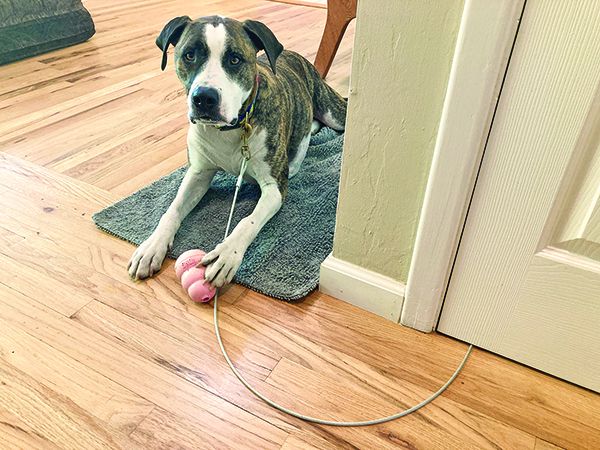
Using leashesor long lineshelps keep your dog close while teaching stay. They give gentle control without needing to hold tightly. This lets your dog practice staying put even if you walk away a bit. Start with short distances, then slowly increase space. Always praise your dog for staying calm.
Cratesand gatescreate safe spaces for your dog. A crate can be a cozy spot where your dog feels safe and stays put. Gates block certain areas but still let your dog see you. Both tools limit your dog’s movement, making it easier to practice staying. Use treats and calm words to make these spaces positive.
Maintaining Consistency
Practice stays in short sessions every day. Keep sessions fun and simple. Start close to your dog, then slowly step away. Always use the same command word for stay. Be patient; dogs learn at their own speed.
Rewards help your dog understand good behavior. Use treats or praise right after a successful stay. This shows your dog what you want. Gradually, your dog will stay longer without moving.
Adapting Training For Different Dogs
Age plays a big role in teaching a dog to stay. Puppies have short attention spans. Older dogs may learn slower but have more patience. Different breeds have different energy levels and focus abilities. Working breeds often learn quickly but need more exercise. Small breeds might get nervous when left alone. Temperament affects training success too. Calm dogs stay still easier. Nervous or excited dogs need more practice with short stays. Watch your dog’s mood and adjust training time. Use treats and praise that suit your dog’s personality. Patience and consistency help all dogs learn to stay solidly. Each dog is unique. Adapt your training steps to fit them well.
Credit: www.whole-dog-journal.com
Frequently Asked Questions
How Long Should A Dog Stay When You Leave?
Start with short stays of a few seconds. Gradually increase the time as your dog gets comfortable. Consistency is key to success.
What Commands Help Teach A Solid Stay?
Use clear commands like “stay” and “wait. ” Combine them with hand signals for better understanding. Reward compliance immediately.
How To Prevent A Dog From Following You?
Teach “stay” with a firm voice and rewards. Avoid sudden exits; leave calmly. Practice regularly to reinforce the behavior.
Can Treats Improve Stay Training Success?
Yes, treats motivate dogs to focus and obey. Use high-value treats during training sessions. Gradually reduce treats as behavior solidifies.
Conclusion
Teaching your dog a solid stay takes time and patience. Start with short distances and slow steps. Reward your dog for staying calm and still. Practice often in different rooms and situations. Keep training sessions fun and consistent to help your dog learn better.
Remember, small progress leads to big success. With kindness and practice, your dog will stay confidently when you leave the room. Stay patient, stay positive, and enjoy the process together.