If you have more than one dog playing in your yard, you know how tricky it can be to keep everything clean and healthy. One problem that many dog owners face is coprophagia—when dogs eat their own or another dog’s poop.
It’s not just gross; it can lead to health issues and bad habits that are hard to break. But don’t worry—you can stop this behavior before it starts or manage it effectively with the right training and smart yard management.
Keep reading to discover simple, practical steps you can take today to protect your dogs and keep your yard safe and pleasant for everyone.
Credit: www.akcpetrx.com
Causes Of Coprophagia In Dogs
Nutritional deficienciescan cause dogs to eat feces. Missing vitamins or minerals make them seek extra nutrients. This is common in dogs with poor diets or health issues.
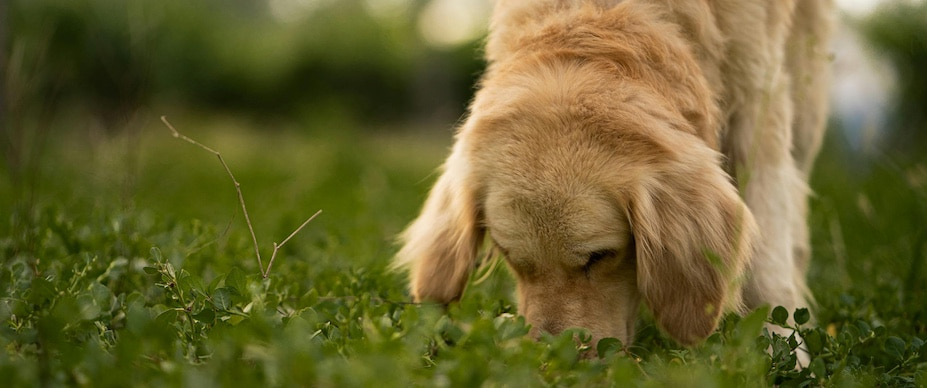
Behavioral factorsalso play a big role. Dogs may copy others or eat feces out of boredom or stress. Sometimes, puppies learn this from their mother. Anxiety or lack of attention can increase this habit.
Medical conditionslike parasites, diabetes, or problems with digestion can trigger coprophagia. Dogs may try to clean their system by eating feces. A vet checkup is important to rule out health problems.
Environmental triggersinclude crowded or dirty yards. In multi-dog areas, feces can build up quickly. Dogs may eat feces because it is easy to find or smells interesting. Keeping the yard clean helps prevent this behavior.
Identifying Coprophagia In Multi Dog Yards
Coprophagiameans dogs eat poop. It is common in yards with many dogs. Signsinclude dogs sniffing or licking poop often. Sometimes dogs eat their own or other dogs’ waste. Watch for dogs that act restless or nervous near poop.
Watching many dogs is hard but important. Pay attention to which dog eats poop and when. Note the dog’s mood before and after. This helps find the cause and stop it.
Keep a simple recordof behaviors. Write down times, places, and dogs involved. Look for patterns like certain times or spots. This info helps trainers and owners manage the issue better.
Training Techniques To Discourage Coprophagia
Teaching basic obedience commandslike “sit,” “stay,” and “leave it” helps control your dog’s actions. These commands make it easier to stop unwanted behaviors like coprophagia. Use positive reinforcementby praising or giving treats when dogs follow commands. This encourages good habits without fear.
Try redirecting attentionif a dog moves toward feces. Call their name or offer a toy. This shifts focus to a positive activity. Use deterrent commandslike “no” firmly but calmly. These words help dogs learn limits without harsh punishment.
Credit: www.fourpaws.com
Management Strategies For Multi Dog Yards
Regular yard cleaninghelps keep the space safe and healthy. Pick up dog waste often to stop bad habits like coprophagia. Clean areas with safe products to remove smells that attract dogs.
Designing dog-friendly spacesmeans giving each dog enough room to play and rest. Use fences or barriers to create sections. This helps reduce stress and stops dogs from eating each other’s waste.
Supervised outdoor timelets you watch your dogs closely. Catch bad behavior early and redirect them. Play and interact with dogs to keep their minds busy and happy.
Separate feeding areasprevent fights and messes. Give each dog its own bowl in a quiet spot. This stops dogs from eating leftover food or waste from others.
Diet And Health Adjustments
Feeding dogs with balanced nutritionhelps reduce coprophagia. Dogs need high-quality protein, vitamins, and minerals every day. Avoid diets low in essential nutrients.
Supplements like digestive enzymesand probioticscan lower the urge to eat feces. These help improve digestion and gut health. Speak with a vet before adding supplements.
Regular vet check-upscatch health problems early. Parasites, nutritional deficiencies, or illnesses may cause coprophagia. Vets can recommend diet changes or treatments if needed.
Tools And Products To Prevent Coprophagia
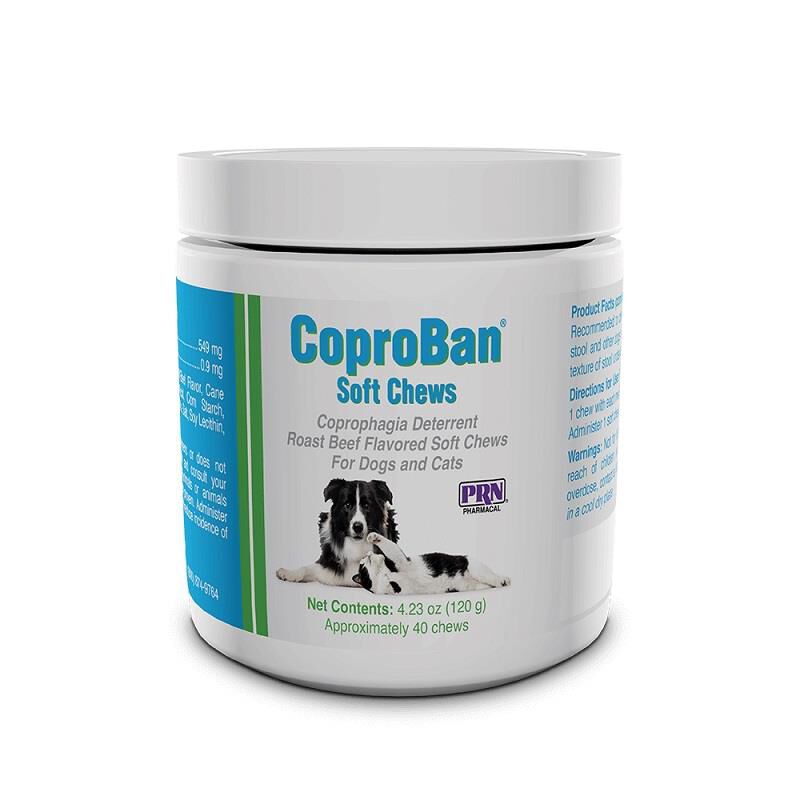
Taste aversion productsmake dog poop taste bad. This helps stop dogs from eating it. These products are safe and easy to use. Sprinkle them on fresh poop in the yard. Dogs learn to avoid the bad taste over time.
Muzzles and barriersstop dogs from reaching poop. Soft muzzles allow breathing but block eating. Barriers like fences or baby gates keep dogs apart. These tools help control behavior during training.
Cleaning agents for yardkeep the area clean and fresh. Use pet-safe cleaners to remove poop smells. This lowers the chance dogs will want to eat poop. Cleaning often is key in yards with many dogs.
Handling Persistent Cases
Persistent coprophagia needs expert behavioral consultation. A trainer or vet can find the cause of the behavior. They observe your dogs and suggest customized trainingmethods. This helps stop the habit safely and effectively.
Medical treatmentsmight be needed if health issues cause coprophagia. Vets may check for nutrient deficienciesor digestive problems. Sometimes, medicine or supplements help correct these issues.
Long-term management plans keep dogs from returning to old habits. This includes consistent training, yard cleaning, and supervision. Keeping the yard clean stops dogs from eating feces. Regular exercise and mental games reduce stress, which lowers unwanted behaviors.

Credit: www.petscare.com
Frequently Asked Questions
What Causes Coprophagia In Multi-dog Yards?
Coprophagia in multi-dog yards often stems from stress, boredom, or nutritional deficiencies. It can also be a learned behavior from other dogs. Managing environment and training reduces these triggers, helping prevent the habit effectively.
How Can Training Stop Coprophagia In Dogs?
Training teaches dogs to avoid feces by using commands like “leave it. ” Positive reinforcement rewards good behavior. Consistency and patience during training sessions help dogs learn to ignore feces, reducing coprophagia occurrences.
What Management Techniques Prevent Coprophagia Outdoors?
Regularly cleaning the yard removes feces, limiting access. Providing plenty of exercise and mental stimulation reduces boredom. Using deterrents or taste aversions discourages dogs from eating feces in outdoor multi-dog areas.
Can Diet Changes Reduce Coprophagia In Dogs?
Yes, improving diet with balanced nutrition can help. Sometimes dogs eat feces due to nutrient deficiencies. Consult a vet for dietary advice to ensure dogs get essential vitamins and minerals, decreasing coprophagia urges.
Conclusion
Preventing coprophagia in multi-dog yards takes patience and care. Training each dog regularly helps build good habits. Keep the yard clean to reduce temptation. Watch your dogs closely and correct bad behavior quickly. Use management tools like barriers or separate play areas if needed.
Remember, consistency is key to success. Small daily efforts lead to big improvements. Healthy dogs, happy yards.