Brushing your dog’s teeth might sound tricky, but it doesn’t have to be a battle. If your furry friend hates the toothbrush or tries to run away, you’re not alone.
The good news is, you can teach your dog to enjoy or at least tolerate teeth brushing through a simple, step-by-step method called gradual desensitization. This approach helps your dog get used to the process slowly and calmly, making dental care easier for both of you.
Keep reading to discover how you can protect your dog’s smile at home without stress or struggle.
Why Brush Your Dog’s Teeth
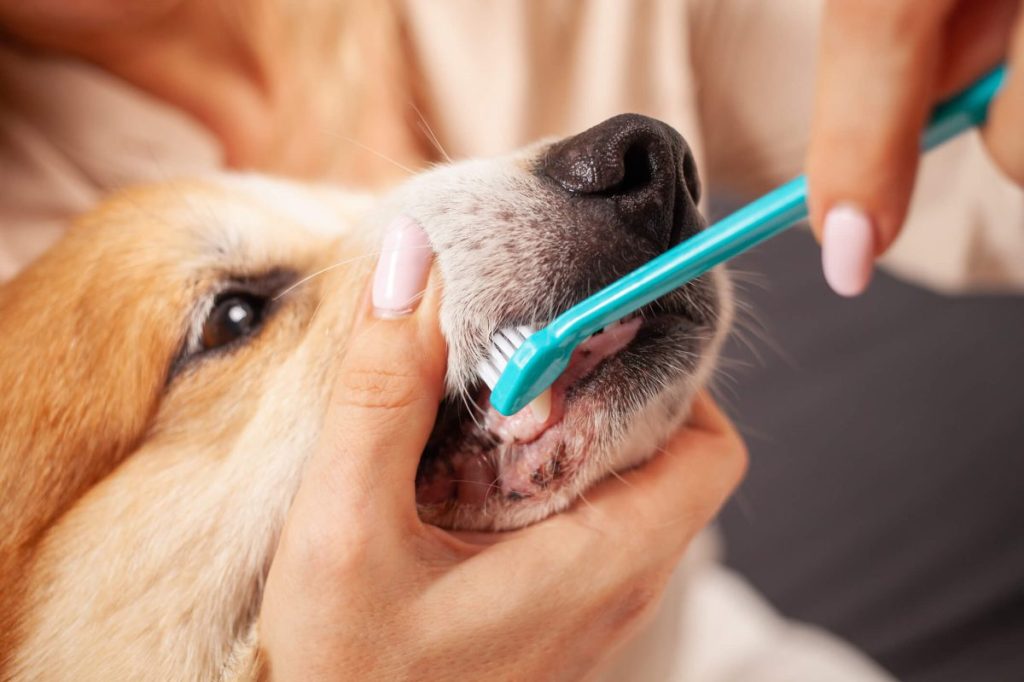
Brushing your dog’s teeth keeps their mouth cleanand healthy. It helps stop bad breath and removes plaquethat can cause pain. Regular brushing lowers the chance of gum diseaseand tooth loss.
Poor dental care can lead to serious health problems. Bacteria in the mouth may enter the blood and harm the heart or kidneys. Dogs with bad teeth might have trouble eatingor feel painin their mouth.
| Benefits of Regular Brushing | Risks of Poor Dental Care |
|---|---|
| Fights bad breath | Gum disease |
| Prevents plaque buildup | Tooth loss |
| Keeps gums healthy | Heart and kidney problems |
| Reduces mouth pain | Difficulty eating |
Credit: dogtime.com
Choosing The Right Tools
Choose a soft-bristled toothbrushto protect your dog’s gums. Finger brushes fit over your finger and help control brushing. Long-handled toothbrushes reach back teeth easily. Some dogs prefer a small brush head for comfort. Make sure the brush size fits your dog’s mouth.
Only use toothpaste made for dogs. Human toothpaste can harm pets. Dog toothpaste often comes in flavors like chicken or peanut butter to make brushing fun. Check that the toothpaste does not contain fluoride or harmful chemicals. Gradually introduce the toothpaste by letting your dog lick it first.
Preparing Your Dog For Brushing
Start by making a quiet and calm spacefor your dog. This helps reduce stressand makes your dog feel safe. Turn off loud noises and keep the room warm.
Show the toothbrushto your dog gently. Let your dog sniff and lickit. Do not rush. Praise your dog with soft words and gentle petting.
Try touching your dog’s mouth softly with your finger before using the brush. This gets your dog used to having its mouth handled.
Use a small, soft-bristled toothbrushmade for dogs. This feels better for your dog’s teeth and gums.
| Step | Action |
|---|---|
| 1 | Create a quiet, calm room |
| 2 | Let your dog sniff the toothbrush |
| 3 | Touch dog’s mouth gently with your finger |
| 4 | Use a soft-bristled dog toothbrush |
Step-by-step Gradual Desensitization
Begin by gently touching your dog’s mouth and teeth with your fingers. Do this for a few seconds daily. Praise your dog with soft words and petting to build trust. Let your dog get used to this feeling before moving on.
Next, offer a small amount of dog-safe toothpaste on your finger. Let your dog lick it off. Choose a flavor your dog likes, such as chicken or peanut butter. This makes the experience pleasant and fun.
Use a soft toothbrush or finger brush with toothpaste. Brush your dog’s teeth gently for a few seconds. Stop if your dog resists and try again later. Keep sessions short and calm to avoid stress.
Gradually increase brushing time by a few seconds each day. Aim for brushing two minutes eventually. Stay patient and consistent. Celebrate small progress with treats or praise.
Tips For Success And Consistency
Positive reinforcementhelps dogs enjoy teeth brushing. Use treatsor praiseright after brushing. This makes dogs feel happy and safe. Start with short sessions and slowly increase time. Let your dog sniff the toothbrush before using it. Reward calm behavior to build trust.
Establishing a routineis key. Brush your dog’s teeth at the same time daily. Consistency helps dogs expect and accept brushing. Keep sessions short and gentle to avoid stress. Choose a quiet, comfortable spot to brush. Patience and calmness make the process easier for both.

Credit: www.pumpkin.care
Troubleshooting Common Challenges
Some dogs may resist tooth brushingat first. Be patientand try short sessions. Use a soft brushand a tasty dog toothpaste. Let your dog smell and lickthe toothpaste before brushing.
Start by gently touching your dog’s mouth without brushing. Praise and give treats to build trust. Gradually increase brushing time over days or weeks.
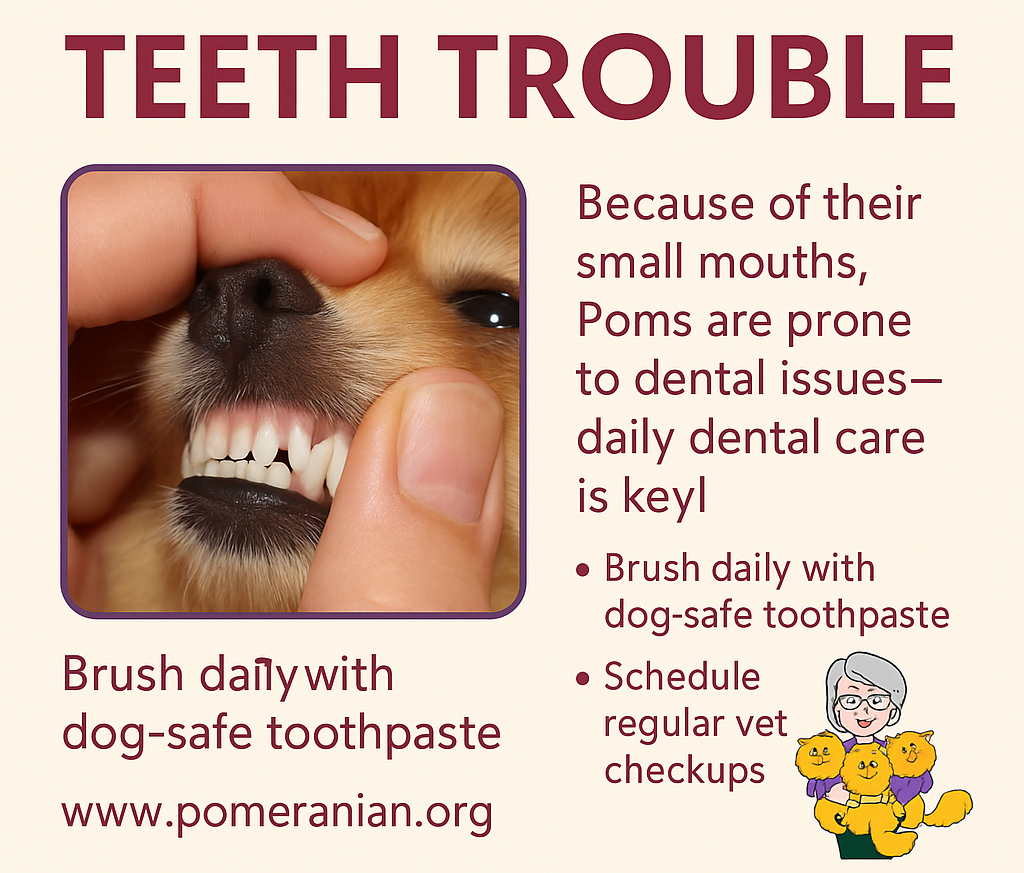
Consult a vet if your dog shows signs of pain, bleeding, or bad breath. The vet can check for dental problemsor infections. Ask for advice if brushing stays hard or your dog gets very upset.
Credit: pomeranian.org
Frequently Asked Questions
How Often Should I Brush My Dog’s Teeth At Home?
You should brush your dog’s teeth at least 2-3 times a week. Daily brushing is ideal for preventing plaque and bad breath. Consistency helps maintain your dog’s oral health and reduces the risk of dental diseases.
What Supplies Do I Need For Dog Teeth Brushing?
Use a dog-specific toothbrush and toothpaste. Human toothpaste can harm dogs. Soft-bristled brushes and flavored toothpaste make brushing easier. Gradual introduction with these supplies helps your dog get comfortable.
How Do I Start Gradual Desensitization For Brushing?
Begin by gently touching your dog’s muzzle and teeth. Reward calm behavior with treats. Slowly introduce the toothbrush without toothpaste. Gradually increase brushing time over several days to build trust and comfort.
Can Gradual Desensitization Reduce My Dog’s Brushing Anxiety?
Yes, gradual desensitization helps reduce stress and fear. It allows your dog to adjust slowly to brushing. Patience and positive reinforcement make the process pleasant and effective.
Conclusion
Brushing your dog’s teeth takes patience and care. Start slow and be gentle every time. Small steps help your dog get used to brushing. Keep sessions short and positive to build trust. Regular brushing protects your dog’s teeth and gums.
A healthy smile means a happy pet. Stick with the routine, and soon it feels normal. Your dog will thank you with better health and comfort. Simple, steady effort makes a big difference.