If you want your puppy to grow into a confident, happy dog, socialization is key. But how do you make sure your little friend meets the right sights, sounds, and experiences without feeling overwhelmed?
Planning puppy socialization field trips week by week can help you do just that. In this guide, you’ll discover simple steps to introduce your pup to new environments safely and effectively. Keep reading, and you’ll learn how to build your puppy’s confidence, reduce anxiety, and set them up for a lifetime of positive experiences.
Setting Socialization Goals
Socialization goalshelp puppies learn to be calm and happy around others. Puppies need to meet different animals, people, and sounds. This helps them grow confident and friendly. Each week, focus on new skillslike walking on a leash or playing gently.
Very young puppies (3-7 weeks) need to feel safe and warm. At this age, gentle touch and soft voices are best. From 8 to 12 weeks, puppies start to explore more. Introduce new places, sounds, and friendly dogs. From 13 weeks and up, practice meeting many different people and animals. Teach good manners and calm behavior.
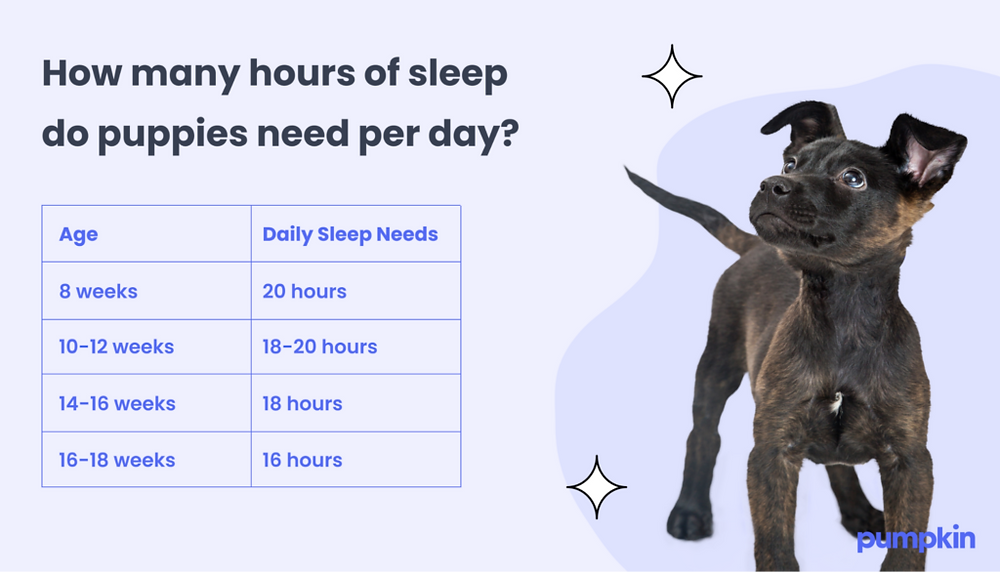
Credit: www.pumpkin.care
Preparing For The First Outing
Choose quiet, safe placesfor your puppy’s first outing. Parks with few people or dogs work well. Avoid busy streets or noisy areas. Look for soft grass or clean paths. This helps your puppy feel calm and happy.
Bring essential supplieslike water, treats, and a small bowl. A leash and harness keep your puppy safe. Carry some poop bags to clean up after your puppy. A favorite toy can make your puppy feel secure.
Check the weather before you go. Dress your puppy for the temperature. Short trips of 10 to 15 minutes are best for the first outing. Let your puppy explore slowly and gently. Praise your puppy with treats and kind words.
Week 1: Exploring The Neighborhood
Start with short walksaround the neighborhood to help your puppy get used to new sights and sounds. Keep trips brief to avoid tiring your puppy. Let your puppy sniffand explore safely.
Introduce basic commandslike “sit,” “stay,” and “come” during these walks. Use positive reinforcementsuch as treats or praise. This helps your puppy learn and feel confident.
Watch your puppy’s reactions closely. If they seem scared, give them space and comfort. Gradually increase walk length as your puppy grows more comfortable. These early experiences build a strong foundation for socialization.

Credit: www.petmd.com
Week 2: Meeting New People
Encourage your puppy to meet new people gently. Let them approach at their own pace. Use soft voices and calm actions to help your puppy feel safe. Offer treats to create happy memories during meetings. Keep interactions short but positive to build confidence.
Shy or anxious puppies need extra patience. Avoid forcing contact. Instead, allow your puppy to watch from a distance first. Praise small steps toward bravery. Creating a calm environment helps your puppy relax. Use gentle petting and soothing words to comfort them.
Week 3: Encountering Other Dogs
Safe playdates help puppies learn how to meet and play with other dogs. Choose calm and friendly dogs for the first meetings. Keep the playdates short to avoid stress. Watch your puppy closely for signs of fear or aggression.
Reading canine body language is very important during playdates. Look for wagging tails and relaxed bodies. These show the puppy is happy and comfortable. Growling or raised hackles mean your puppy may feel scared or angry. Step in gently if you see these signs.
Let puppies explore and sniff each other. This helps them get to know new friends. Always keep the play area safe and free from hazards. Playdates build confidence and teach good social skills.
Week 4: Visiting Busy Public Spaces
Start by choosing busy but safe placesfor puppy visits. Parks, markets, or outdoor cafes work well. Keep the puppy on a short leashto maintain control. Let your puppy watch the noise from a distance first. Gradually move closer as your puppy stays calm.
Use a calm voice to comfort your puppy. Avoid pulling or rushing. If your puppy gets scared, step back and try again later. Practice deep breaths to stay relaxed. Your calmness helps your puppy feel safe.
Bring treats to reward calm behavior. Praise your puppy for ignoring distractions. Short trips are best; don’t stay too long. This helps your puppy build good habits without stress.
Week 5: Introducing Unfamiliar Surfaces
Expose your puppy to different surfaceslike grass, gravel, and wood. This helps build confidenceand reduces fear of new places.
Start with soft, easy textures before moving to rough or slippery ones. Let your puppy explore at their own pace. Use gentle praise to encourage them.
Touch their paws to the surface first. Then, guide them to walk slowly across it. Repeat this on several surfaces during each trip.
This practice improves their balanceand comfortin new environments. It also helps them adapt to outdoor walks better.
Week 6: Car Rides And Travel
Motion sicknesscan make car rides hard for puppies. Start with short trips to help them get used to the car. Keep the car cool and quiet to reduce stress. Avoid feeding your puppy right before travel to prevent nausea. Bring a favorite toy or blanket for comfort and familiarity.
Use a safe harness or crateto keep your puppy secure. Never let your puppy ride with their head out the window. Take breaks on long trips for potty and water stops. Keep the car calm and avoid loud noises or sudden moves. Practice these tips to make travel safe and pleasant for your puppy.
Week 7: Handling Unexpected Situations
Sudden loud noisescan scare puppies. Stay calm and soothe your pup with a soft voice. Carry treats to reward calm behavior. Start with quieter places and slowly introduce sounds like traffic or sirens. Keep trips short to avoid stress.
Busy places can be overwhelming. Let your puppy observe from a safe distance first. Use a leash for control and comfort. Praise your puppy for staying relaxed. If your puppy seems scared, move away to a quieter spot. Gradually increase time spent in crowds.

Credit: www.chewy.com
Week 8: Reinforcing Positive Experiences
Use a reward systemto encourage good behavior during trips. Treats, praise, and petting help your puppy feel happy and safe. Keep rewards small but frequent. This builds a strong connection between good actions and positive outcomes.
Track your puppy’s progress every day. Note how they react to new places and people. Write down what works well and what causes stress. This helps you adjust trips to fit your puppy’s needs. Small steps lead to big success.
Adjusting Plans Based On Puppy’s Response
Recognizing stress signalsin puppies is very important. Signs like whining, yawning, or hidingshow they feel uneasy. Watch their body language closely. If a puppy tucks its tail, avoids eye contact, or freezes, it may be stressed.
Slow down or repeat stepswhen puppies show these signs. Give them time to rest or go back to a familiar place. Do not force new experiences too fast. Repeating calm, easy steps helps build confidence.
Keep trips short and simple at first. Gradually add new sights or sounds. Always let the puppy set the pace. Comfort and safety should come first to create a positive experience.
Tips For Long-term Socialization Success
Consistencyis key for puppy socialization. Taking your puppy out often helps build confidence and good habits. Small, regular trips teach puppies how to behave in different places. Patienceis just as important. Puppies learn at their own pace. Some days will be easier than others. Stay calm and positive to help your puppy feel safe.
Getting family and friendsinvolved makes socialization more fun and effective. Different people help puppies get used to new faces and voices. Ask loved ones to join trips or visit your home. This gives puppies more chances to meet and play with others. A happy puppy grows into a friendly, well-adjusted dog.
Frequently Asked Questions
What Is The Best Age To Start Puppy Socialization Trips?
Puppy socialization trips should ideally start between 3 to 14 weeks old. This period is critical for positive exposure to new experiences. Early socialization helps puppies build confidence and reduces future behavioral issues. Always ensure trips are safe and positive for your puppy.
How Often Should Puppy Socialization Trips Be Planned Weekly?
Plan socialization trips 2 to 3 times per week. Frequent, short outings offer varied experiences without overwhelming your puppy. Consistency helps puppies learn and adapt to new environments gradually. Adjust frequency based on your puppy’s comfort and progress.
What Locations Are Ideal For Puppy Socialization Trips?
Choose safe, puppy-friendly locations like parks, pet stores, and calm public areas. These spots offer varied sights, sounds, and social interactions. Avoid crowded or noisy places initially. Gradually introduce your puppy to new environments to build positive associations.
How Long Should Each Puppy Socialization Trip Last?
Keep trips between 15 to 30 minutes, depending on your puppy’s energy and stress levels. Short, positive experiences prevent overwhelm and promote learning. Gradually increase duration as your puppy grows more comfortable and confident.
Conclusion
Planning weekly puppy socialization trips builds confidence and good behavior. Small steps help puppies adapt to new sights and sounds. Keep each trip short and positive to avoid stress. Meet different people, dogs, and places to widen their experience. Watch your puppy’s reactions and adjust the plan as needed.
Enjoy these moments—they create a strong bond and happy, well-adjusted dogs. Consistency and patience are key to success. Start early and keep the trips fun and safe. Your puppy will thank you with a friendly, calm attitude.